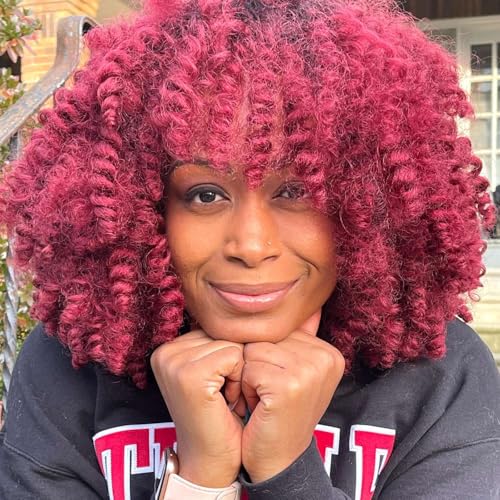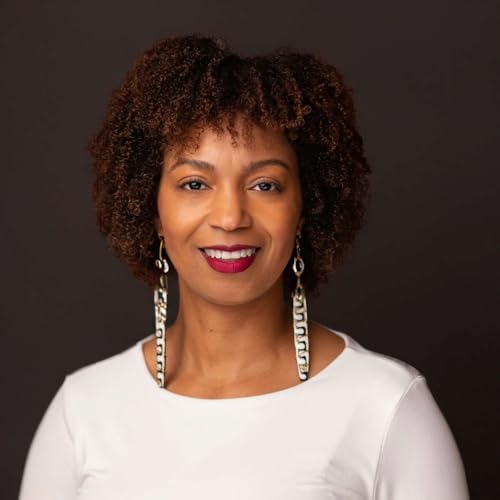
• Tanisha M. Jackson - Department of African American Studies, Syracuse University
    May 18 2026

    This is John Drabinski and you’re listening to The Black Studies podcast, a series of conversations examining the history of the field. Our conversations engage with a wide range of activists and scholars - senior figures in the field, graduate students, and everyone in between, culture workers, and political organizers - in order to explore the cultural and political meaning of Black Studies as an area of inquiry and its critical methods.


    Today’s conversation is with Tanisha M. Jackson, who teaches in the Department of African American Studies at Syracuse University where she is also Executive Director of the Community Folk Art Center. Her research focuses on the place of community art practice and education in liberation struggle. Along with a number of scholarly essays and curated exhibitions, she is the author Black Women's Art Ecosystems: Sites of Wellness and Self-care (2025), which was awarded the Anna Julia Cooper and CLR James award for outstanding publication in Africana Studies (National Council for Black Studies). She recently received an National Endowment for the Arts grant for the Community Folk Art Center's inaugural artists in residency program and she is the founder and host of the film series, Black Arts Speak. In this conversation, we discuss the place of art in the field of Black Studies, how art and community expand our sense of liberation work, and how the Black Studies classroom links the personal, the communal, and the aesthetic.

    Show More Show Less
    45 mins
  • Robert Robinson - Department of Africana Studies, John Jay College
    May 15 2026

    This is Ashley Newby and you’re listening to The Black Studies podcast, a series of conversations examining the history of the field. Our conversations engage with a wide range of activists and scholars - senior figures in the field, late doctoral students, and everyone in between, culture workers, and political organizers - in order to explore the cultural and political meaning of Black Studies as an area of inquiry and its critical methods.

    Today's conversation is with Robert P. Robinson, Assistant Professor of Africana Studies and Gender Studies at John Jay College and Doctoral Faculty in Urban Education, Africana Studies, and Interactive Technology & Pedagogy at The Graduate Center, CUNY. Prior to higher education, he was a K-12 educator and mentor for 11 years. His broad research and teaching focus on the Black Freedom Movement, Black education history, Blackqueer studies, digital humanities, history of education, and curriculum studies. Robinson’s work can be found in Women’s Studies Quarterly, the Journal for Multicultural Education, and The Killens Review of Arts & Letters, and more. Robinson is a National Academy of Education/Spencer Postdoctoral Fellow for his forthcoming book, Education for the Revolution: The Legacy of the Black Panther Party’s Oakland Community School, which will be published in January 2027 through NYU Press’s Black Power Series.

    Show More Show Less
    58 mins
  • Melanie Holmes - Department of African American Studies, University of South Carolina
    May 13 2026

    This is John Drabinski and you’re listening to The Black Studies podcast, a series of conversations examining the history of the field. Our conversations engage with a wide range of activists and scholars - senior figures in the field, graduate students, and everyone in between, culture workers, and political organizers - in order to explore the cultural and political meaning of Black Studies as an area of inquiry and its critical methods.


    Today’s conversation is with Melanie Holmes, who teaches in the Department of African American Studies at University of South Carolina. Her research focuses on the meaning and significance of Black Power across geographies, in particular in the political and cultural space of the United States and Barbados. Her work on these issues can be found in a cluster of publications, including “Beautifully Black!: How Negro History Week and the Black History Movement Influenced Education in and Beyond the Black Power Era,” which is forthcoming in the Journal of African American History. In this conversation, we explore the complex history of resistance to antiblack racism, the relationship between Black study and education, and how historical research both grounds and expands the Black Studies imagination.

    Show More Show Less
    54 mins
  • Yomaira Figueroa-Vásquez - Director of the Center for Puerto Rican Studies and Department of Africana, Puerto Rican and Latino Studies, Hunter College
    May 11 2026

    This is John Drabinski and you’re listening to The Black Studies podcast, a series of conversations examining the history of the field. Our conversations engage with a wide range of activists and scholars - senior figures in the field, graduate students, and everyone in between, culture workers, and political organizers - in order to explore the cultural and political meaning of Black Studies as an area of inquiry and its critical methods.


    Today’s conversation is with Yomaira Figueroa-Vásquez, who teaches in the Department of Africana, Puerto Rican, and Latino Studies at Hunter College, where she also serves as Director of the Center for Puerto Rican Studies. She has published extensively in popular and scholarly venues and is the author of Decolonizing Diasporas: Radical Mappings of Afro-Atlantic Literature (2020) and of the forthcoming The Survival of a People. In this conversation, we discuss the complex geographies of blackness in the Atlantic world, archival work and its relation to Black study, and the expansive historical, literary, and theoretical horizons of Black Studies.

    Show More Show Less
    1 hr and 2 mins
  • Desiree Cooper - Writer and Journalist
    May 8 2026

    This is Ashley Newby and you’re listening to The Black Studies podcast, a series of conversations examining the history of the field. Our conversations engage with a wide range of activists and scholars - senior figures in the field, late doctoral students, and everyone in between, culture workers, and political organizers - in order to explore the cultural and political meaning of Black Studies as an area of inquiry and its critical methods.

    Today's conversation is with Desiree Cooper, a 2015 Kresge Artist Fellow, Pulitzer Prize-nominated journalist, former attorney, and editor of the groundbreaking 2026 anthology, Black Summers: Growing up in the Urban Outdoors. Her work, which often explores the intersection between gender and race, has appeared in The New York Times, Oprah Daily, MSNBC Daily, Flash Fiction America 2023, Michigan Quarterly Review, The Rumpus, River Teeth, and noted in The Best American Essays 2019. Cooper is the author of the award-winning flash fiction collection, Know the Mother. Her children’s picture book, Nothing Special, is a 2023 Paterson Prizewinner and one of the New York Public Library’s “10 Best Children’s Books of 2022.”

    Show More Show Less
    1 hr and 2 mins
  • Michelle B. Taylor - Educator, Author, Advocate
    May 6 2026

    This is John Drabinski and you’re listening to The Black Studies podcast, a series of conversations examining the history of the field. Our conversations engage with a wide range of activists and scholars - senior figures in the field, graduate students, and everyone in between, culture workers, and political organizers - in order to explore the cultural and political meaning of Black Studies as an area of inquiry and its critical methods.


    Today’s conversation is with Michelle B. Taylor, an educator, author, and advocate who writes under the name Feminista Jones. She has published widely in popular and scholarly venues, has spoken in academic and community spaces across the country, and earned a doctorate in Africology and African American Studies from Temple University where she teaches courses on gender, race, and media. Her books include Reclaiming Our Space: How Black Feminists Are Changing the World from the Tweets to the Streets (2019), The Secret of Sugar Water (2017), and Push The Button (2014). In this conversation, we discuss the importance of Africological approaches to Black study, the relationship between scholarly inquiry and community activism, and the place of popular and scholarly writing in Black Studies.

    Show More Show Less
    55 mins
  • Joanna Cardenas - Department of African American and African Diaspora Studies, University of California, Berkeley
    May 4 2026

    This is John Drabinski and you’re listening to The Black Studies podcast, a series of conversations examining the history of the field. Our conversations engage with a wide range of activists and scholars - senior figures in the field, graduate students, and everyone in between, culture workers, and political organizers - in order to explore the cultural and political meaning of Black Studies as an area of inquiry and its critical methods.


    Today’s conversation is with Joanna Cardenas, a doctoral candidate in the Department of African American and African Diaspora Studies at University of California, Berkeley. Her research explores the nexus of critical carceral studies, disability studies, and Black feminist thought, with an emphasis on the intersection of race, class, gender, and space. Through a close spatial analysis of California prisons, her research focuses on how systems of confinement inform understandings of gender, race, and ableism. She also studies how the carceral state of South Central Los Angeles impacts Black and Latinx women, with a focus on surveillance and other policing practices. With a deep engagement in community-based research, she also helps interrogate the experimentation of new surveillance and policing technologies in Skid Row, the Figueroa corridor, and Los Angeles more broadly. Joanna’s research has been supported by the Greater Good Science Center, the Black Studies Collaboratory, the Center for Race and Gender, Berkeley Law, and Berkeley’s Haas Scholars Program. Beyond academia, Joanna is also actively involved in litigation challenging staff misconduct across California state prisons. In this conversation, we discuss the place of carceral studies in the study of Black life, how urban studies and questions of gender impact Black Studies inquiry, and how community work expands the classroom and intellectual life.

    Show More Show Less
    54 mins
  • Justin Leroy - Department of History, Duke University
    May 1 2026

    This is Ashley Newby and you’re listening to The Black Studies podcast, a series of conversations examining the history of the field. Our conversations engage with a wide range of activists and scholars - senior figures in the field, late doctoral students, and everyone in between, culture workers, and political organizers - in order to explore the cultural and political meaning of Black Studies as an area of inquiry and its critical methods.

    Today's conversation is with Justin Leroy, who teaches in the Department of History at Duke University. He specializes in nineteenth-century African American history, with particular interests in intellectual history, slavery, abolition, and the history of capitalism. His first book, The Lowest Freedom, recovers an unexamined tradition in nineteenth-century Black thought that located the failures of emancipation not simply in political exclusion and racial violence, but in wide-ranging forms of economic dispossession that continued to define Black life in freedom. His current research focuses on carceral studies, and he is working on a history of race and policing in nineteenth-century North America. He also has longstanding interests in comparative Black/Indigenous and Black/Asian American histories.

    Show More Show Less
    1 hr