• Dr. Kevin Bradley: Herbicide-Resistant Weeds in Corn | Ep. 131
    Jun 16 2026

    In this Corn Special Series episode of The Crop Science Podcast Show, Dr. Kevin Bradley, Professor and State Extension Weed Scientist at the University of Missouri, discusses practical strategies for managing herbicide-resistant weeds in corn and soybean systems. He shares insights on waterhemp, cover crop biomass, harvest weed seed control, electrocution technology, precision spraying, and why residual herbicides still matter. Listen now on all major platforms!


    "Herbicide resistance continues forcing major changes in weed management programs across corn and soybean systems, especially with waterhemp and Palmer amaranth spreading rapidly."


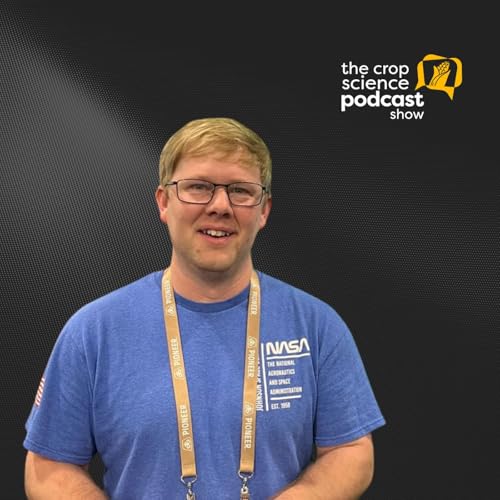
    Meet the guest: Dr. Kevin Bradley is a Professor and State Extension Weed Scientist in the Division of Plant Science and Technology at the University of Missouri. His extension and research work focuses on applied weed management in corn, soybean, and forage systems, with extensive work on herbicide-resistant waterhemp. He earned his PhD from Virginia Tech and has served at the University of Missouri since 2003. Listen to The Crop Science Podcast Show with Dr. Kevin Bradley on all major platforms.


    Liked this one? Don’t stop now — Here’s what we think you’ll love!


    What you will learn:

    • (00:00) Highlight
    • (00:59) Introduction
    • (05:00) Herbicide resistance trends
    • (06:02) Cover crops
    • (07:37) Harvest seed control
    • (15:33) Weed electrocution
    • (21:30) Precision spraying
    • (25:25) Final questions


    The Crop Science Podcast Show is trusted and supported by innovative companies like:


    - Loam Bio


    𝗟𝗶𝘀𝘁𝗲𝗻 𝗼𝗻 𝗔𝗽𝗽𝗹𝗲 𝗣𝗼𝗱𝗰𝗮𝘀𝘁𝘀, 𝗦𝗽𝗼𝘁𝗶𝗳𝘆 𝗼𝗿 𝗮𝗻𝘆 𝗺𝗮𝗷𝗼𝗿 𝗽𝗹𝗮𝘁𝗳𝗼𝗿𝗺.

    Website: The Crop Science Podcast Show

    Instagram: The Crop Science Podcast Show

    LinkedIn: The Crop Science Podcast Show

    Show More Show Less
    28 mins
  • Jake Drozd: High-Yield Corn in Michigan | Ep. 130
    Jun 9 2026

    In this episode of The Crop Science Podcast Show, Jake Drozd, owner and partner at Drozd Family Grain in southwest Michigan, discusses managing crops under challenging conditions while pushing yields higher each season. He shares insights on corn production, irrigation strategies, soil health, micronutrient management, sorghum production, and the importance of networking with other growers. Jake also shares how family teamwork supports the operation’s success. Listen now on all major platforms!


    "We are 42 years corn on corn, and our average yields are getting better. I would attribute it to more microbial work, being more efficient with fertilizer, and making the soil a little healthier while tilling."


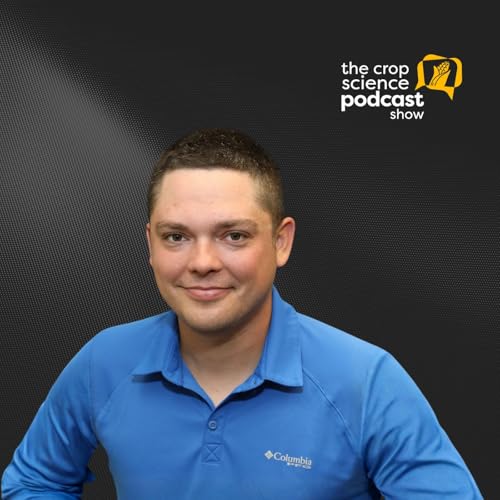
    Meet the guest: Jake Drozd is an owner and partner at Drozd Family Grain in southwest Michigan, farming with his dad and brother across corn, soybeans, and sorghum. Their operation focuses on crop production and fertility and has earned multiple Michigan NCGA yield contest wins, reflecting a commitment to improving productivity and sharing knowledge across agriculture. Listen to Jake Drozd on The Crop Science Podcast Show, available on all major platforms.


    Liked this one? Don’t stop now — Here’s what we think you’ll love!


    What you will learn:

    • (00:00) Highlight
    • (00:43) Introduction
    • (01:33) Farm overview
    • (02:58) Crop rotations
    • (03:51) Soil health
    • (08:33) Irrigation systems
    • (13:23) Sorghum management
    • (23:58) Final questions


    The Crop Science Podcast Show is trusted and supported by innovative companies like:


    - Loam Bio


    𝗟𝗶𝘀𝘁𝗲𝗻 𝗼𝗻 𝗔𝗽𝗽𝗹𝗲 𝗣𝗼𝗱𝗰𝗮𝘀𝘁𝘀, 𝗦𝗽𝗼𝘁𝗶𝗳𝘆 𝗼𝗿 𝗮𝗻𝘆 𝗺𝗮𝗷𝗼𝗿 𝗽𝗹𝗮𝘁𝗳𝗼𝗿𝗺.

    Website: The Crop Science Podcast Show

    Instagram: The Crop Science Podcast Show

    LinkedIn: The Crop Science Podcast Show

    Show More Show Less
    27 mins
  • Dr. Brandon Gerrish: Wheat Variety Testing and Rust Management | Ep. 129
    Jun 2 2026

    In this episode of The Crop Science Podcast Show, Dr. Brandon Gerrish from Texas A&M AgriLife Extension discusses small-grain variety testing across four agro-climatic regions of Texas. He covers dual-purpose wheat production, rust disease identification and management, fungicide decision-making, and certified seed adoption. Dr. Gerrish also explains how to use the Texas A&M variety database for better field decisions. Listen now on all major platforms!


    “It's just amazing to see varieties side by side, one with 90% of the leaf area covered in rust, and another with maybe two or three specks on it.”


    Meet the guest: Dr. Brandon Gerrish is an Assistant Professor and AgriLife Extension State Small Grains Specialist in the Soil and Crop Sciences Department at Texas A&M University. Research focuses on statewide variety trials for wheat, barley, oat, and triticale, dual-purpose production systems, and foliar disease management, including leaf and stripe rust screening across Texas. Tune in to The Crop Science Podcast Show with Dr. Brandon Gerrish on all major platforms.


    Liked this one? Don’t stop now — Here’s what we think you’ll love!


    What you will learn:

    • (00:00) Highlight
    • (00:34) Introduction
    • (03:27) Regional grain diversity
    • (08:51) Variety trial types
    • (11:05) Dual-purpose evaluation
    • (13:38) Variety trial network
    • (22:00) Rust management
    • (25:59) Final questions


    The Crop Science Podcast Show is trusted and supported by innovative companies like:


    - Loam Bio


    𝗟𝗶𝘀𝘁𝗲𝗻 𝗼𝗻 𝗔𝗽𝗽𝗹𝗲 𝗣𝗼𝗱𝗰𝗮𝘀𝘁𝘀, 𝗦𝗽𝗼𝘁𝗶𝗳𝘆 𝗼𝗿 𝗮𝗻𝘆 𝗺𝗮𝗷𝗼𝗿 𝗽𝗹𝗮𝘁𝗳𝗼𝗿𝗺.

    Website: The Crop Science Podcast Show

    Instagram: The Crop Science Podcast Show

    LinkedIn: The Crop Science Podcast Show

    Show More Show Less
    32 mins
  • Dr. Daniela Carrijo: Cover Crops in Soybean-Corn Rotations | Ep. 128
    May 26 2026

    In this episode of The Crop Science Podcast Show, Dr. Daniela Carrijo, Assistant Professor and Extension Specialist in Grain Crop Production at Penn State University, discusses practical grain crop management for corn, soybeans, and oats. She explains how cover-crop biomass can affect soybean water stress, how organic oats fit into Pennsylvania systems, and why nitrogen recommendations need better decision tools. Listen now on all major platforms!


    "Cover crop biomass can act as a mulch, conserve soil moisture, and help soybeans with water stress."


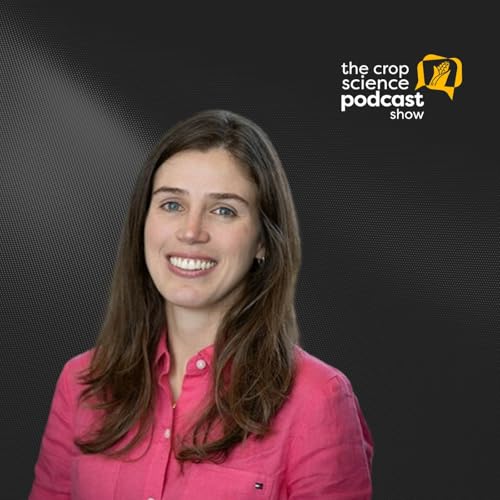
    Meet the guest: Dr. Daniela Carrijo is an Assistant Professor and Extension Specialist in Grain Crop Production at Penn State University. Her work focuses on corn, soybean, and small-grain systems, with an emphasis on sustainable intensification, water and nutrient use efficiency. She earned her PhD at UC Davis. Listen to Dr. Daniela Carrijo on The Crop Science Podcast Show, available on all major platforms!


    Liked this one? Don’t stop now — Here’s what we think you’ll love!


    What you will learn:

    • (00:00) Highlight
    • (01:01) Introduction
    • (01:56) Career background
    • (05:23) Grain systems
    • (10:08) Organic oats
    • (13:33) Cover crops
    • (17:45) Nitrogen tools
    • (26:24) Final questions


    The Crop Science Podcast Show is trusted and supported by innovative companies like:


    - Loam Bio


    𝗟𝗶𝘀𝘁𝗲𝗻 𝗼𝗻 𝗔𝗽𝗽𝗹𝗲 𝗣𝗼𝗱𝗰𝗮𝘀𝘁𝘀, 𝗦𝗽𝗼𝘁𝗶𝗳𝘆 𝗼𝗿 𝗮𝗻𝘆 𝗺𝗮𝗷𝗼𝗿 𝗽𝗹𝗮𝘁𝗳𝗼𝗿𝗺.

    Website: The Crop Science Podcast Show

    Instagram: The Crop Science Podcast Show

    LinkedIn: The Crop Science Podcast Show

    Show More Show Less
    29 mins
  • Dr. Robbie Oppenheimer: The Science Behind Stable Soil Carbon | Ep. 127
    May 19 2026

    In this episode of The Crop Science Podcast Show, Dr. Robbie Oppenheimer, Chief Product Officer at Loam Bio, explains how a microbial seed inoculum containing beneficial fungi can help increase stable soil carbon, improve soil structure, and support long-term crop productivity. He discusses carbon fractions, carbon markets, and practical integration into crop systems. Discover the science behind stable soil carbon and what it means for modern agriculture. Listen now on all major platforms!


    "The reason we care about mineral-associated carbon is that it has a lower risk of reversibility and a lower risk of being lost again."


    Meet the guest: Dr. Robbie Oppenheimer is the Chief Product Officer at Loam Bio and earned his Ph.D. in synthetic biology from the University of Oxford. His work focuses on fungal inoculants, soil carbon sequestration, and developing technologies that support long-term soil productivity and carbon stability in cropping systems. He collaborates with leading research institutions to advance practical soil carbon solutions for growers worldwide. Listen to Dr. Robbie Oppenheimer on The Crop Science Podcast Show, available on all major platforms!


    Liked this one? Don’t stop now — Here’s what we think you’ll love!


    What you will learn:

    • (00:00) Highlight
    • (00:53) Introduction
    • (03:20) Building soil carbon
    • (04:38) Carbon pools
    • (11:01) Planting workflow
    • (13:28) Research validation
    • (25:56) Carbon stability
    • (27:23) Closing thoughts


    The Crop Science Podcast Show is trusted and supported by innovative companies like:


    - Loam Bio


    𝗟𝗶𝘀𝘁𝗲𝗻 𝗼𝗻 𝗔𝗽𝗽𝗹𝗲 𝗣𝗼𝗱𝗰𝗮𝘀𝘁𝘀, 𝗦𝗽𝗼𝘁𝗶𝗳𝘆 𝗼𝗿 𝗮𝗻𝘆 𝗺𝗮𝗷𝗼𝗿 𝗽𝗹𝗮𝘁𝗳𝗼𝗿𝗺.

    Website: The Crop Science Podcast Show

    Instagram: The Crop Science Podcast Show

    LinkedIn: The Crop Science Podcast Show

    Show More Show Less
    28 mins
  • Dr. Bob Stupar: Soybean Genomics and Gene Editing | Ep. 126
    May 12 2026

    In this episode of The Crop Science Podcast Show, Dr. Bob Stupar from the University of Minnesota explores soybean genomics, gene editing, and genomic selection in modern breeding. He explains how markers improve selection efficiency, why SCN resistance requires a multi-gene approach, and what the five-year strategic plan means for the soybean genomics community. Listen now on all major platforms!


    "The ability to use genomic information to predict and improve selection across entire breeding populations is growing, and even minor-effect genomic regions are becoming targets for practical breeding."


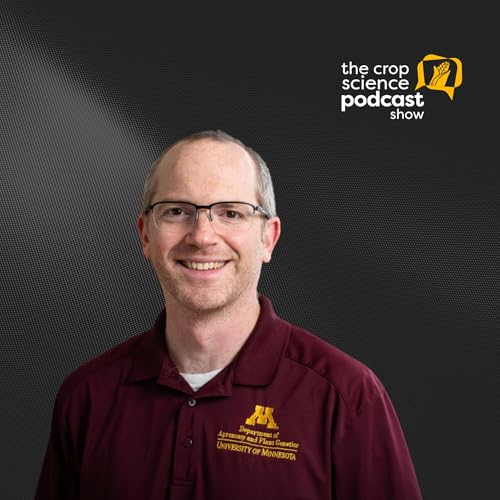
    Meet the guest: Dr. Bob Stupar is a Professor in the Department of Agronomy and Plant Genetics at the University of Minnesota. His research focuses on molecular genetics and genomics of legume crop species, including soybean and pea, with primary interests in the genetic basis of natural and induced phenotypic variation, developing novel genetic resources, and using genomic strategies for trait improvement.


    Liked this one? Don’t stop now — Here’s what we think you’ll love!


    What you will learn:

    • (00:00) Highlight
    • (00:34) Introduction
    • (04:20) Background
    • (05:54) Genetics vs. genomics
    • (10:11) Genomics in breeding
    • (16:58) Biotechnology and GMOs
    • (22:01) Strategic planning
    • (27:39) Future of genomics
    • (29:53) Final questions


    The Crop Science Podcast Show is trusted and supported by innovative companies like:


    - Loam Bio


    𝗟𝗶𝘀𝘁𝗲𝗻 𝗼𝗻 𝗔𝗽𝗽𝗹𝗲 𝗣𝗼𝗱𝗰𝗮𝘀𝘁𝘀, 𝗦𝗽𝗼𝘁𝗶𝗳𝘆 𝗼𝗿 𝗮𝗻𝘆 𝗺𝗮𝗷𝗼𝗿 𝗽𝗹𝗮𝘁𝗳𝗼𝗿𝗺.

    Website: The Crop Science Podcast Show

    Instagram: The Crop Science Podcast Show

    LinkedIn: The Crop Science Podcast Show

    Show More Show Less
    41 mins
  • Dr. John Jones: P and K Insights | Ep. 125
    May 5 2026

    In this special re-run episode of The Crop Science Podcast Show, we bring back our conversation with Dr. John Jones from the University of Illinois Urbana-Champaign, who explains how phosphorus and potassium recommendations are developed and why nutrient test methods vary by region. He explores nutrient behavior in soils, calibration approaches, and how agronomists can make better data-driven fertilizer decisions. Learn how to fine-tune your nutrient management strategies and why accurate soil testing matters. Listen now on all major platforms!


    "We treat phosphorus and potassium as more immobile nutrients that remain in the soil for years or even decades, which makes soil testing a reliable tool for guiding fertilization decisions."


    Meet the guest: Dr. John Jones is an Assistant Professor of Agronomy and Soil Fertility Extension Specialist at the University of Illinois Urbana Champaign. His work focuses on soil fertility, nutrient management, and water quality, with experience across major cropping systems. His research connects soil testing, nutrient cycling, and practical agronomic decisions to improve crop production.


    Liked this one? Don’t stop now — Here’s what we think you’ll love!


    What you will learn:

    • (00:00) Highlight
    • (00:51) Introduction
    • (02:05) Guest background
    • (05:38) P and K calibration
    • (08:26) Nutrient interaction effects
    • (13:20) Regional test differences
    • (18:51) Data-driven decisions
    • (24:16) Final three questions


    The Crop Science Podcast Show is trusted and supported by innovative companies like:


    - Loam Bio

    - KWS


    𝗟𝗶𝘀𝘁𝗲𝗻 𝗼𝗻 𝗔𝗽𝗽𝗹𝗲 𝗣𝗼𝗱𝗰𝗮𝘀𝘁𝘀, 𝗦𝗽𝗼𝘁𝗶𝗳𝘆 𝗼𝗿 𝗮𝗻𝘆 𝗺𝗮𝗷𝗼𝗿 𝗽𝗹𝗮𝘁𝗳𝗼𝗿𝗺.

    Website: The Crop Science Podcast Show

    Instagram: The Crop Science Podcast Show

    LinkedIn: The Crop Science Podcast Show

    Show More Show Less
    29 mins
  • Dr. Rachel Vann: Soybean Management Strategies | Ep. 124
    Apr 28 2026

    In this episode of The Crop Science Podcast Show, Dr. Rachel Vann, Associate Professor at the University of Illinois Urbana-Champaign, shares how national soybean research networks deliver practical, science-based recommendations. Learn key topics including planting timing, seeding rates, fertility strategies, and multi-state trial design. Dr. Vann highlights cost-effective decisions under tight margins. Listen now on all major platforms!


    “Planting date selection strongly influences soybean yield outcomes across regions, requiring careful alignment with environmental conditions and avoiding extremes that reduce productivity potential.”


    Meet the guest: Dr. Rachel Vann is an Associate Professor of Cropping Systems at the University of Illinois Urbana-Champaign, specializing in soybean production, applied research, and Extension outreach. With experience leading national initiatives like Science for Success, research focuses on improving crop management and farmer decision-making.


    Liked this one? Don’t stop now — Here’s what we think you’ll love!


    What you will learn:

    • (00:00) Highlight
    • (00:48) Introduction
    • (01:49) Career path
    • (03:30) Initiative origin
    • (06:08) Research focus
    • (07:56) Biological results
    • (13:55) Planting timing
    • (22:45) Final Questions


    The Crop Science Podcast Show is trusted and supported by innovative companies like:


    - Loam Bio

    - KWS


    𝗟𝗶𝘀𝘁𝗲𝗻 𝗼𝗻 𝗔𝗽𝗽𝗹𝗲 𝗣𝗼𝗱𝗰𝗮𝘀𝘁𝘀, 𝗦𝗽𝗼𝘁𝗶𝗳𝘆 𝗼𝗿 𝗮𝗻𝘆 𝗺𝗮𝗷𝗼𝗿 𝗽𝗹𝗮𝘁𝗳𝗼𝗿𝗺.

    Website: The Crop Science Podcast Show

    Instagram: The Crop Science Podcast Show

    LinkedIn: The Crop Science Podcast Show

    Show More Show Less
    26 mins