Episodes

  • Wednesday 15 July Feast of St. Rosalia in Palermo
    Jul 15 2026

    The provided text explores the historical origins and modern traditions of the Feast of St. Rosalia, the most significant annual festival in Palermo, Sicily. It recounts how the remains of a 12th-century hermit were discovered and paraded through the city in 1624, an act credited with miraculously ending a devastating plague. Consequently, she was named the patron saint of Palermo, and her July feast day was officially established by the Church. Today, the celebration features a massive ship-shaped chariot and vibrant processions that draw large crowds to honor the "Little Saint." The source also details the specific ritual activities held on July 14th and 15th, ranging from firework displays to the formal blessing of her relics.

    Show More Show Less
    7 mins
  • Tuesday 14 July Bastille Day in France
    Jul 14 2026

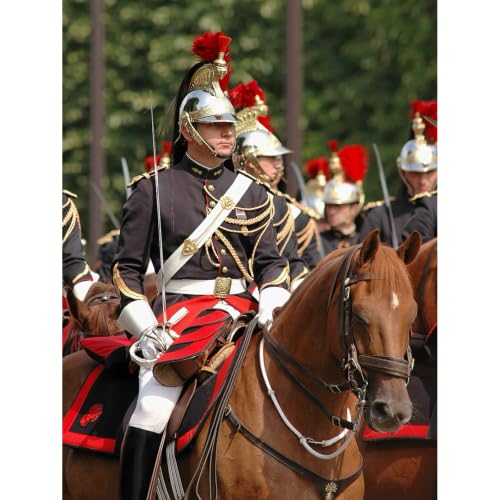
    This article examines the historical significance and origins of Bastille Day, France's national holiday celebrated every July 14th. It details how the 1789 storming of the Bastille prison acted as a catalyst for the French Revolution, eventually leading to the collapse of the monarchy and the execution of King Louis XVI. The text explains that this event serves as a powerful symbol of liberty and the triumph over autocratic rule. Additionally, it notes that the date was officially designated as a national holiday in 1880 to honor both the initial uprising and the subsequent unity of the French people. Beyond historical analysis, the source provides a snapshot of modern headlines, ranging from global political updates to major sporting events.

    Show More Show Less
    7 mins
  • Monday 13 July Sovereignty Day of Montenegro
    Jul 13 2026

    The provided text details the historical significance of Sovereignty Day, a major public holiday celebrated in Montenegro every July 13th. This date commemorates the 1878 Treaty of Berlin, which officially recognized the nation as an independent state following centuries of Ottoman influence. Additionally, the source notes that the day honors the 1941 uprising against Nazi occupation during the Second World War. Although it marks the country's initial emergence as a sovereign entity, the author clarifies that this holiday is distinct from Independence Day, which is held in May to celebrate the 2006 referendum. The article further contextualizes Montenegro’s journey from a principality and kingdom to its eventual reunification and modern autonomy. Overall, the text serves as a historical overview of the nation's long struggle for self-determination.

    Show More Show Less
    9 mins
  • Sunday 12 July Independence Day in São Tomé and Príncipe
    Jul 12 2026

    This article summarizes the historical background of São Tomé and Príncipe in celebration of its national Independence Day. The territory was originally settled by Portuguese explorers in the late 15th century, who utilized the fertile land for sugar production through the use of forced labor. Following a political shift in Portugal known as the Carnation Revolution, the islands finally achieved sovereign status on July 12, 1975. The source notes that this nation currently stands as the second-smallest country on the African continent. In addition to these historical facts, the publication highlights various global headlines ranging from international conflicts to celebrity news and sports updates.

    Show More Show Less
    5 mins
  • Saturday 11 July Naadam in Mongolia
    Jul 11 2026

    The Naadam Festival is a significant national holiday in Mongolia that celebrates the country's cultural identity through the “Three Manly Games” of wrestling, archery, and horse racing. Historically rooted in the 12th century as a display of military strength, the event is now held annually in the capital city of Ulaanbaatar to coincide with the anniversary of the People’s Revolution. The festival features a grand opening ceremony with traditional performances followed by intense wrestling tournaments, where male competitors follow unique dress codes and simplified rules. Additionally, the archery competitions honor a long heritage of precision and skill that dates back to the era of Ghengis Khan. By involving citizens of all ages, the celebration preserves ancient traditions and showcases the historical importance of these athletic disciplines to the Mongolian people.

    Show More Show Less
    8 mins
  • Friday 10 July Gospel Day in Kiribati
    Jul 10 2026

    The provided text details the significance of Gospel Day, a national holiday in Kiribati typically observed on July 10th. This celebration honors the arrival of Christianity in the 19th century, which remains the country's dominant religion primarily through Catholic and Protestant denominations. The holiday serves as a unifying event, encouraging citizens of various Christian branches to participate in joint services to foster communal strength. While the date is generally fixed, the article notes that the schedule can shift to accommodate a broader three-day holiday period. Overall, the source highlights how this spiritual anniversary functions to promote national harmony and shared gratitude among the Kiribati people.

    Show More Show Less
    7 mins
  • Thursday 9 July State Rebellion Day in São Paulo
    Jul 9 2026

    This source provides a historical overview of State Rebellion Day, a significant civic holiday celebrated annually on July 9th in São Paulo, Brazil. The article details how the 1932 Constitutionalist Revolution emerged as a localized uprising against the administration of Getúlio Vargas following the tragic deaths of four student demonstrators. Although the federal government eventually suppressed the armed revolt, the text highlights that many of the protesters' original objectives were ultimately met. Today, the event is remembered by Paulistasas a defining moment of regional pride and remains the final instance of large-scale internal warfare in the nation's history. By documenting these events, the source contextualizes why this specific date remains the most prominent civic anniversary for the residents of the state.

    Show More Show Less
    7 mins
  • Wednesday 8 July National Day of Prayer, Reflection and Thanksgiving in Montserrat
    Jul 8 2026

    The provided text describes the history and significance of the National Day of Prayer, Reflection and Thanksgiving in Montserrat, which commemorates the island’s resilience following catastrophic volcanic activity. Starting in 1995, the Soufrière Hills Volcano began a series of eruptions that eventually destroyed the capital city of Plymouth and the island's primary airport. Because of this devastation, Plymouth remains the only abandoned capital in the world with no residents, while administrative functions have shifted to Brades. This annual observance serves as a time for the community to honor those lost and express gratitude for the nation's survival. The source also contextualizes this history within a broader news digest from July 2026, highlighting how the event remains a cornerstone of the island's cultural identity.

    Show More Show Less
    6 mins