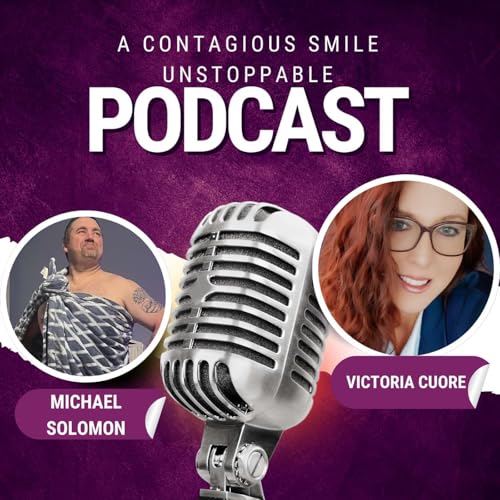
• This Is What It Takes with Michael Mackniak and Victoria Cuore. People Stop Seeking Help When The System Stops Listening
    May 7 2026

    Send us Fan Mail

    The moment “help” makes you feel smaller, unheard, or more afraid, something in the system has already failed. We sit with the uncomfortable reality that mental health care and hospital care can retraumatise the very people they are meant to support, and that one bad experience can shut the door on treatment for years. If you’ve ever walked away from an appointment more confused than when you arrived, you’ll recognise the patterns we name out loud.

    We move from personal stories to system-level problems: patients being treated like diagnoses, families forced to repeat painful histories, and fear-driven interactions that escalate rather than calm. We talk about bedside manner as a safety issue, not a personality trait, and why trauma-informed care means changing how we communicate in the room. We also dig into how HIPAA is often misunderstood and used as a wall when it should be a framework for appropriate collaboration.

    From there, we push into solutions that actually reduce crises: proactive outreach after discharge, coordinated aftercare, and persistent engagement when “no” is coming from symptoms, not true choice. We share a powerful crisis story involving an eight-year-old and what it looks like to build trust without interrogation. We also celebrate momentum for reform, including recognition for the Care Coalition model for crisis response and family support.

    If you’re a caregiver, clinician, advocate, or someone trying to get help without being harmed by the process, this conversation is for you. Subscribe, share this with someone who needs it, and leave a review with the change you most want to see in mental health care.

    Support the show

    Show More Show Less
    1 hr and 3 mins
  • Why We Go Off Script And Talk Real Life
    May 4 2026

    Send us Fan Mail

    A show can be funny and still hit like a truth bomb. Michael and Victoria keep Contagious Smiles unscripted on purpose, because real life doesn’t come with neat transitions, and neither does healing. We talk openly about why our conversations move the way they do, what “anything goes” really means, and why lived experience can teach things no textbook touches.

    From there, we get serious about mental health support for first responders. We’ve seen what trauma does after the call ends: adrenaline crashes, tunnel vision, and the kind of PTSD that doesn’t disappear after a quick debrief. We also dig into autism and crisis response, where too many commands and the wrong approach can turn confusion into danger. Better training, better communication, and long-term care are not “extras” when lives are on the line.

    We also share the caregiver and special needs side, including what IEP meetings can feel like when parents don’t know their rights, and why schools struggle to meet mental health needs with limited counseling support. Victoria opens up about body image after abuse and why patience matters in relationships when someone is rebuilding safety in their own skin. Along the way, we mention our work with Care Coalition, plus the community encouragement that keeps this mission moving.

    If this hits home, subscribe, share with someone who needs support, and leave a review so more survivors, caregivers, and first responders can find these free resources.

    Support the show

    Show More Show Less
    43 mins
  • Why Families Get Lost In Healthcare Systems And How To Fight Back with Michael Mackniak and Victoria Cuore
    May 1 2026

    Send us Fan Mail

    Healthcare can make you feel like you’re doing everything “right” while the system keeps moving the goalposts. We’re tired of families being told to stitch together courtrooms, hospitals, crisis teams, and insurance rules like it’s a normal Tuesday, then getting blamed when the pieces don’t hold. So we’re starting where most people actually live: the messy middle, when you’re exhausted, overwhelmed, and still expected to advocate perfectly.

    We talk about what turns care into chaos: uncoordinated providers who don’t communicate, protocols that reward speed over listening, and mental health care that can slide into labeling and prescribing without context. We dig into why families get shut out of planning conversations, how HIPAA gets used as a shield instead of a tool, and what “coordinated care” and real accountability should look like across emergency rooms, psychiatry, social work, neurology, and community services. We also call out the financial pressure points that crush people quietly: copays, transportation, Medicaid eligibility limits, waiver programs, and the way insurance barriers can trap families near the poverty line.

    This launch sets the tone for what we’re building: practical patient advocacy, caregiver support, and clear steps you can take to protect dignity and get better outcomes, without pretending the system is fine. If you’ve ever felt dismissed, rushed, or boxed in, you belong here. Subscribe, share this with someone who’s carrying the care load, and leave a review with the question you want us to answer next.

    Support the show

    Show More Show Less
    44 mins
  • Launching A Mental Health Support Network With Real Resources
    Apr 30 2026

    Send us Fan Mail

    Support the show

    Show More Show Less
    26 mins
  • Building A Free Mental Health Resource Network For Caregivers with Michael Mackniak
    Apr 27 2026

    Send us Fan Mail

    Support the show

    Show More Show Less
    54 mins
  • A Mother Remembers Her Son And Rebuilds Life After Opioid Loss with Katie Rizzo
    Apr 27 2026

    Send us Fan Mail

    One phone call, one prescription, one quiet apartment, and a life splits into before and after. We sit down with Katie Rizzo, a former high school anatomy and AP biology teacher, to talk about the loss of her firstborn son Nicholas to opioid addiction and overdose, and the brutal moment she realised grief was no longer an event, it was part of her identity.

    Katie brings a rare mix of tenderness and clarity to subjects many of us avoid: bereaved parenthood, the stigma around substance use disorder, and the chaos a family carries while trying to save someone they love. She walks us through Nicholas’s story, from an adventurous childhood to injuries, painkillers, and the spiral that so often defines the opioid crisis. We also get honest about anger, blame, and how “legally acceptable” prescribing can still create devastating outcomes.

    Then Katie shares the framework that changed how she survives: the “trimesters of grief.” She explains why grief can feel like a pregnancy you cannot end, how art becomes a lifeline, and why telling the truth out loud can be a form of healing. We also talk non opioid pain management options, shame, recovery support, and why law enforcement and healthcare need more trauma informed responses during wellness checks and overdose calls.

    If you care about grief support, addiction recovery, opioid addiction education, or helping families after overdose, this conversation will stay with you. Subscribe, share this with someone who needs it, and leave a review with the line that hit you the hardest.

    Support the show

    Show More Show Less
    53 mins
  • Ripple Retreat with guest JJ Holley, A Veteran who lives to pay it forward
    Apr 24 2026

    Send us Fan Mail

    A quiet town in Maine. A historic 1830s farmhouse and barn. A veteran with seven years of sobriety and a plan that flips the usual “tourism takes from locals” story on its head. We brought back our friend JJ Holly to do something different: a walking tour of Ripple Retreat in West Paris, where he’s building an alcohol-free wellness and event space designed to create real, measurable community impact. His promise is bold and specific: after opening on 7 April 2027, Ripple Retreat will return 75% of profits to the town of West Paris and local charities.

    As JJ shows us around, you’ll hear what’s coming to life on the property: Studio 22 for yoga, meditation, massage, Reiki, and holistic healing during the week, plus music lessons and kid-friendly programming that feels like a throwback to real community. Weekdays also include affordable Airbnb stays in two apartment-style units, with easy access to Maine ski resorts like Sunday River, Black Mountain, and Mount Abram. On weekends, the full property becomes a place for sober weddings, retreats, and gatherings, with clear rules that protect peace and neighbors: no alcohol and no music past 10 p.m.

    The heart of this conversation is JJ’s story. He shares how the loss of Commander Murphy Sweet shaped his life, how he survived a dark moment overseas, and why recovery starts with reaching out and learning to love yourself. He also tells the unforgettable “White Socks” story from Baghdad, a reminder that tiny choices can create enormous ripples. That’s the same idea behind his fundraiser: a $5 “cup of love” on ripple-retreat.com to help fund the rebuild, plus weekly updates so supporters can track the progress.

    If this moved you, subscribe, share the episode with someone who needs hope, and leave a review so more people can find Ripple Retreat and the recovery message behind it.

    Support the show

    Show More Show Less
    38 mins
  • A New Partnership For Trauma-Informed Mental Health Support with Michael Mackniak
    Apr 22 2026

    Send us Fan Mail

    The scariest part of a mental health crisis isn’t always the symptoms. It’s the moment you realise nobody is talking to each other and your loved one is getting treated like a problem instead of a person. We sit down with veteran attorney and caregiver advocate Michael Machnac to share a major new partnership bringing his care coordination work together with Victoria’s trauma-informed recovery approach, aimed squarely at the families and individuals who feel trapped in the gaps of the system.

    We get specific about what “care coordination” actually means: building a complete history, understanding the family ecosystem, aligning providers around one direction, and making the patient the captain of the ship. Along the way, we unpack why modern healthcare navigation is so exhausting, from repeated paperwork to siloed hospitals and rushed appointments that leave dignity behind. We also talk candidly about crisis response, autism and de-escalation, and the difference between being managed and being heard.

    You’ll hear what we’re planning next for Mental Health Awareness Month, why we’re launching a podcast series to share real strategies (not just complaints), and how character and habits can help you climb out of your own rut when life hits hard. If you’ve ever felt alone on the “crazy train” of mental health advocacy, this conversation is your reminder that you’re not imagining it and you’re not on your own.

    Subscribe, share this with someone who needs it, and leave a review so more caregivers and survivors can find these tools. What’s the biggest communication breakdown you’ve seen in healthcare?


    Michael Mackniak
    Website: https://michaelmackniak.com

    Care Coalition: Care Coalition – https://carecoalition.org

    Academy: https://guardian-academy.thinkific.com

    Email: mike@guardian-ct.org


    Support the show

    Show More Show Less
    48 mins